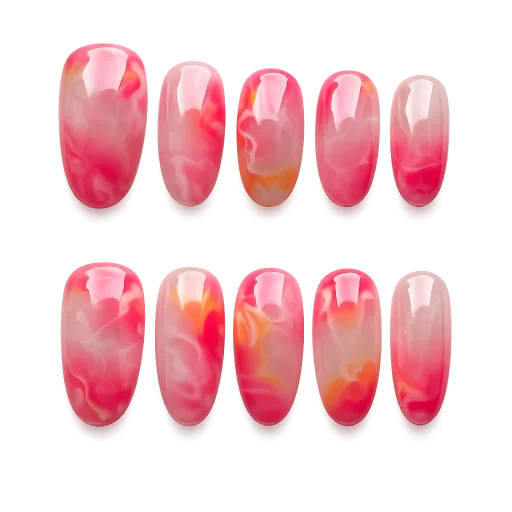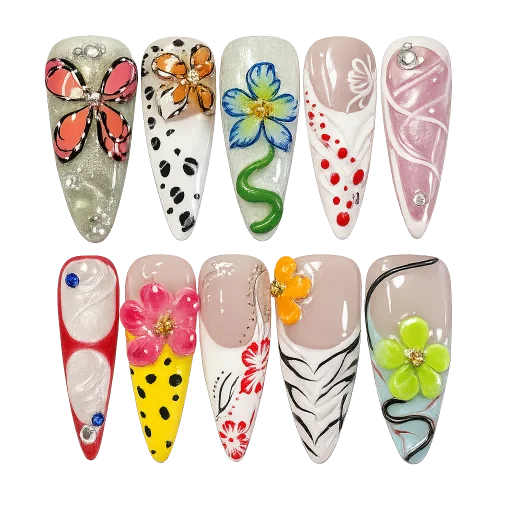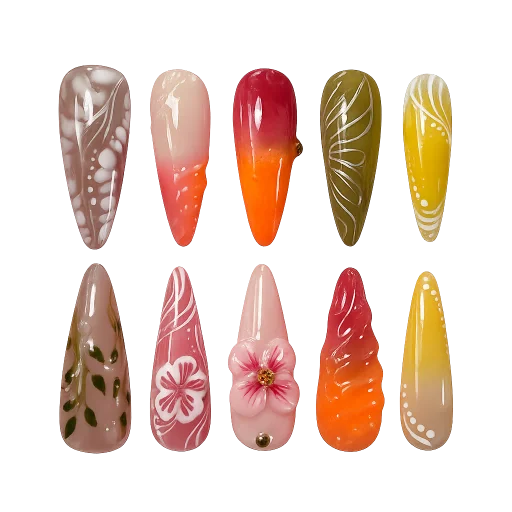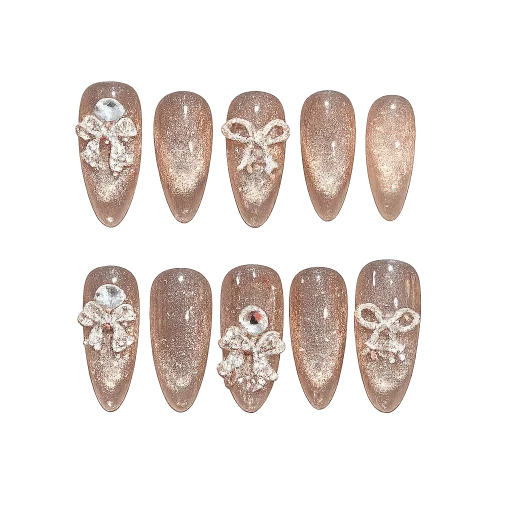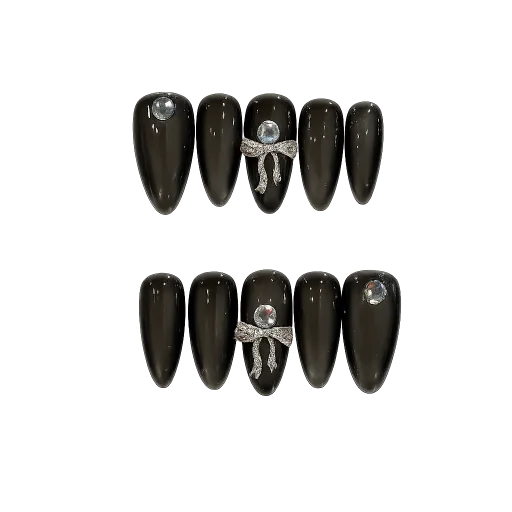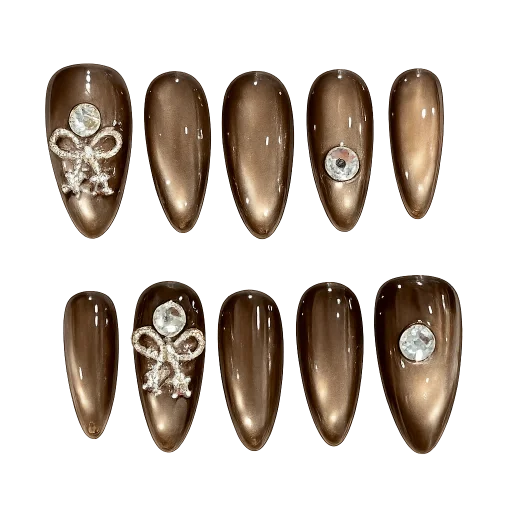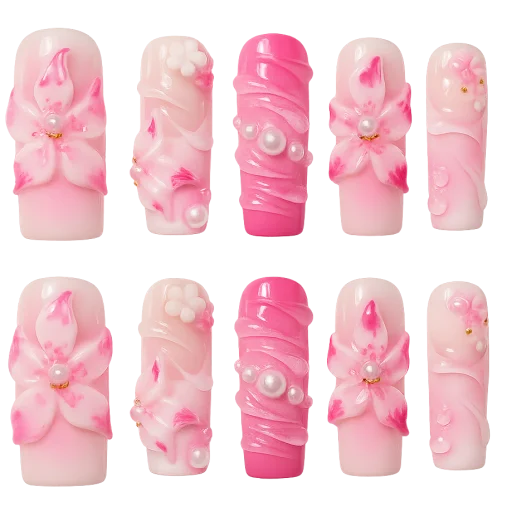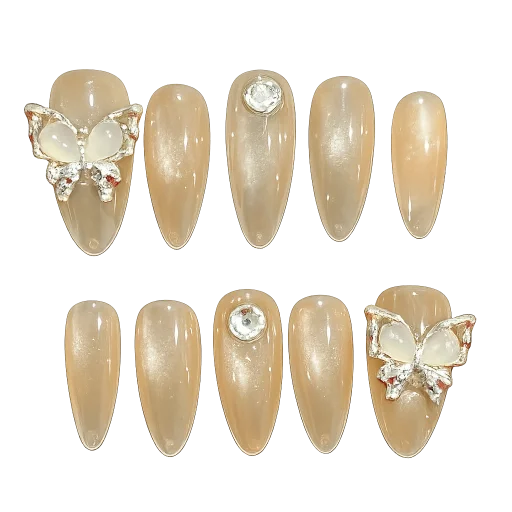
A gel manicure offers a durable, glossy finish that lasts weeks without chipping. However, concerns about UV Radiation from nail lamps have raised serious questions about their safety. Frequent exposure to ultraviolet (UV) light during a Gel Manicure can contribute to skin damage, premature aging, and even increase the risk of skin cancer. Understanding the risks of UV Radiation and taking preventive measures can help you enjoy beautiful nails while keeping your hands protected.
The Connection Between Gel Manicure and UV Radiation
To achieve that hard, chip-resistant finish, every Gel Manicure requires a curing process. This process relies on UV Radiation to polymerize the gel polish. Whether you are at a high-end salon or using an at-home kit, your skin is exposed to concentrated bursts of ultraviolet light. While these sessions are brief, the cumulative effect of UV Radiation over years of appointments can be significant for skin health.

How UV Nail Lamps Work
UV nail lamps emit ultraviolet light (UVA), which penetrates deep into the skin layers. These lamps typically operate in a wavelength range of 320 to 400 nanometers, which is remarkably similar to the UVA rays we receive from the sun. It is a common misconception that only older lamps are a concern; even modern LED nail lamps emit UV Radiation, although they may offer shorter curing times for your Gel Manicure.
Comparing Lamp Types for Your Gel Manicure
When you go for a Gel Manicure, you will likely encounter one of two main types of lamps used for curing. Both utilize UV Radiation but in slightly different ways:
- Standard UV Lamps: These emit a broad spectrum of UVA and UVB radiation to cure the polish. They generally require longer exposure times.
- LED Lamps: These use more targeted UVA wavelengths. While they cure the Gel Manicure faster, they still involve UV Radiation exposure to the skin on your hands.
Though LED lamps are often marketed as safer because they emit lower total amounts of UV Radiation than traditional bulbs, both types pose long-term risks to skin health if used frequently without protection.

The Hidden Dangers of UV Radiation Exposure
Science has long identified UV Radiation as a primary contributor to skin aging and DNA damage. When getting a Gel Manicure, the primary concerns associated with these lamps include:
1. Increased Skin Cancer Risk
Exposure to UVA rays, even in short bursts during a Gel Manicure, can lead to DNA damage in skin cells. This increases the risk of developing basal cell carcinoma (BCC) and squamous cell carcinoma (SCC). While the individual risk per session is lower than hours of sunbathing, frequent Gel Manicure sessions add up to cumulative UV Radiation damage over time.
2. Premature Aging and Wrinkles
UV Radiation is notorious for breaking down collagen and elastin fibers in the dermis. This leads to visible aging signs on the hands, such as deep wrinkles, loss of skin elasticity, and stubborn age spots. Since the skin on our hands is thinner than on many other parts of the body, it is particularly susceptible to the aging effects of a Gel Manicure lamp.
3. Weakened Nails and Cuticles
It isn't just the skin that suffers; the nails themselves can be affected. Repeated UV Radiation exposure can weaken nail beds and dry out cuticles, making them more prone to painful breakage and infections. Over time, your nails may become brittle, thin, and discolored from constant processing.
Who Is Most at Risk from UV Radiation?
Some individuals may be more susceptible to the harmful effects of UV Radiation during a Gel Manicure, including:
- Frequent Enthusiasts: Those who get a Gel Manicure weekly or bi-weekly.
- Fair-Skinned Individuals: People with skin that burns easily or has a high sensitivity to light.
- Medical History: Individuals with a personal or family history of skin cancer.
- Younger Users: Teenagers and young adults with developing skin cells that may be more reactive to UV Radiation.

How to Protect Your Hands from UV Radiation Damage
If you love the aesthetic of a Gel Manicure but want to minimize your health risks, follow these essential protective measures to shield yourself from UV Radiation:
1. Consider Press-On Nails as a Safe Alternative
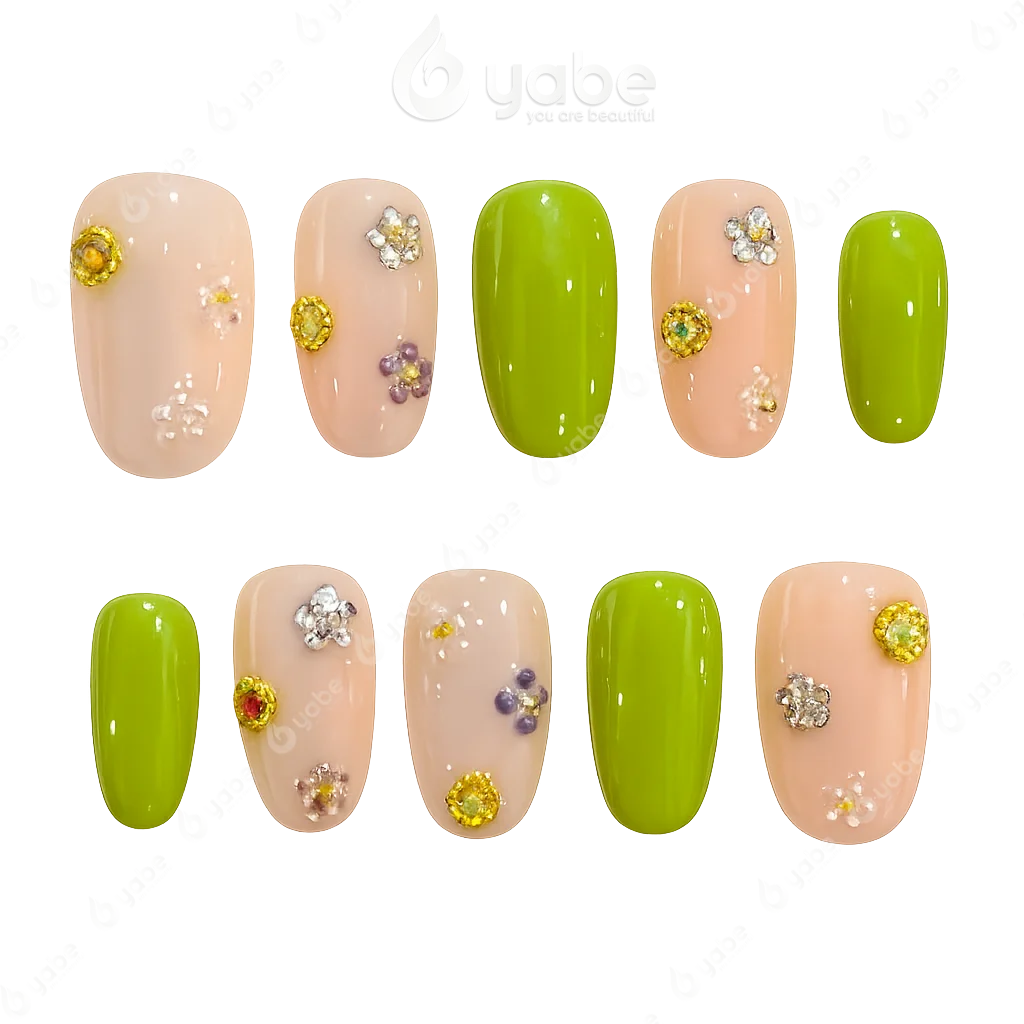
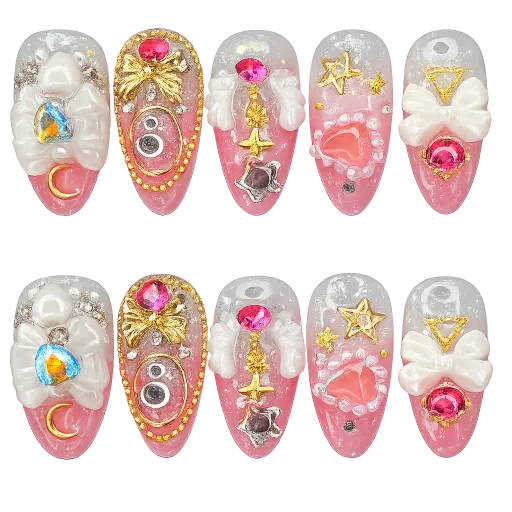
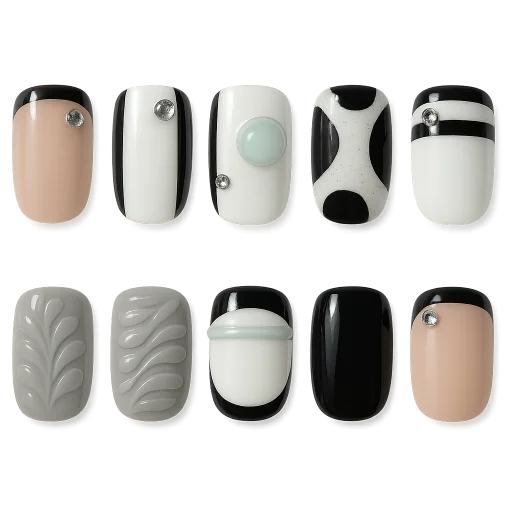
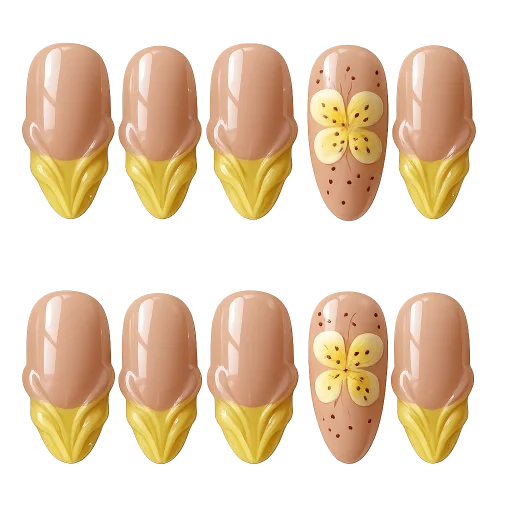
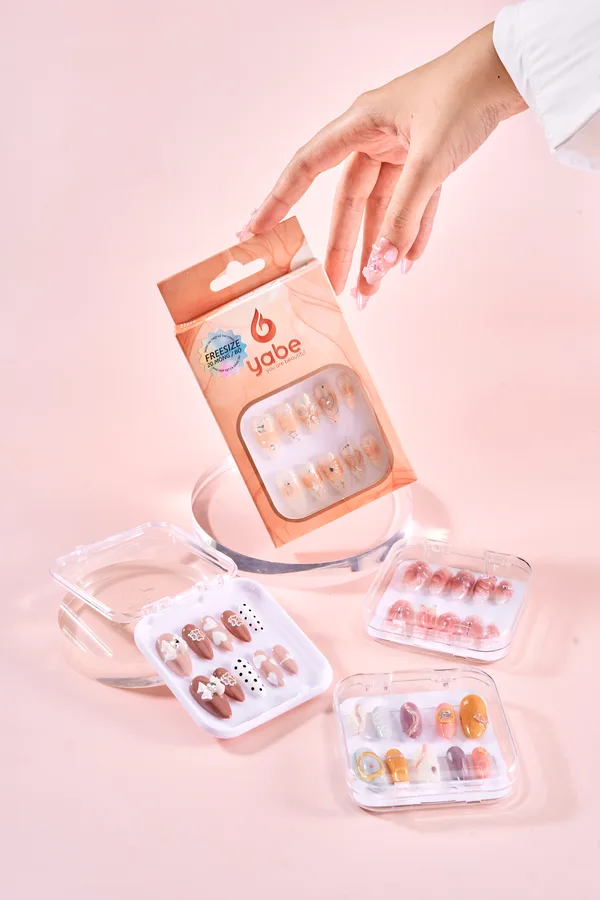
If you want to completely avoid UV Radiation, high-quality press-on nails are the perfect solution. Modern press-ons offer the same professional look as a Gel Manicure but require zero light for curing. They are gentler on the nail bed and eliminate the need for harsh acetone soaking.
2. Apply Broad-Spectrum Sunscreen
Apply a broad-spectrum sunscreen (SPF 30 or higher) to your hands 20 to 30 minutes before your Gel Manicure appointment. This creates a chemical or physical barrier against UV Radiation. Look for formulas containing zinc oxide or titanium dioxide for the best protection.
3. Wear UV-Protective Gloves
You can purchase fingerless UV-blocking gloves specifically designed for salon use. These gloves shield the majority of your hand from UV Radiation while leaving only the nail tips exposed for the Gel Manicure process.
4. Opt for LED Over Traditional UV Lamps
While LED lamps still emit UV Radiation, they do so at a faster rate, meaning your skin is exposed for a shorter duration. When booking your Gel Manicure, ask if the salon uses high-speed LED technology.
Conclusion: Balancing Beauty and Safety
While a Gel Manicure provides a beautiful and durable finish, the associated UV Radiation is a factor that cannot be ignored. By taking proactive steps—like wearing protective gloves or switching to high-quality press-on alternatives—basking in the glow of perfect nails doesn't have to come at the expense of your skin's health. Staying informed about UV Radiation ensures your beauty routine remains both safe and sustainable for years to come.